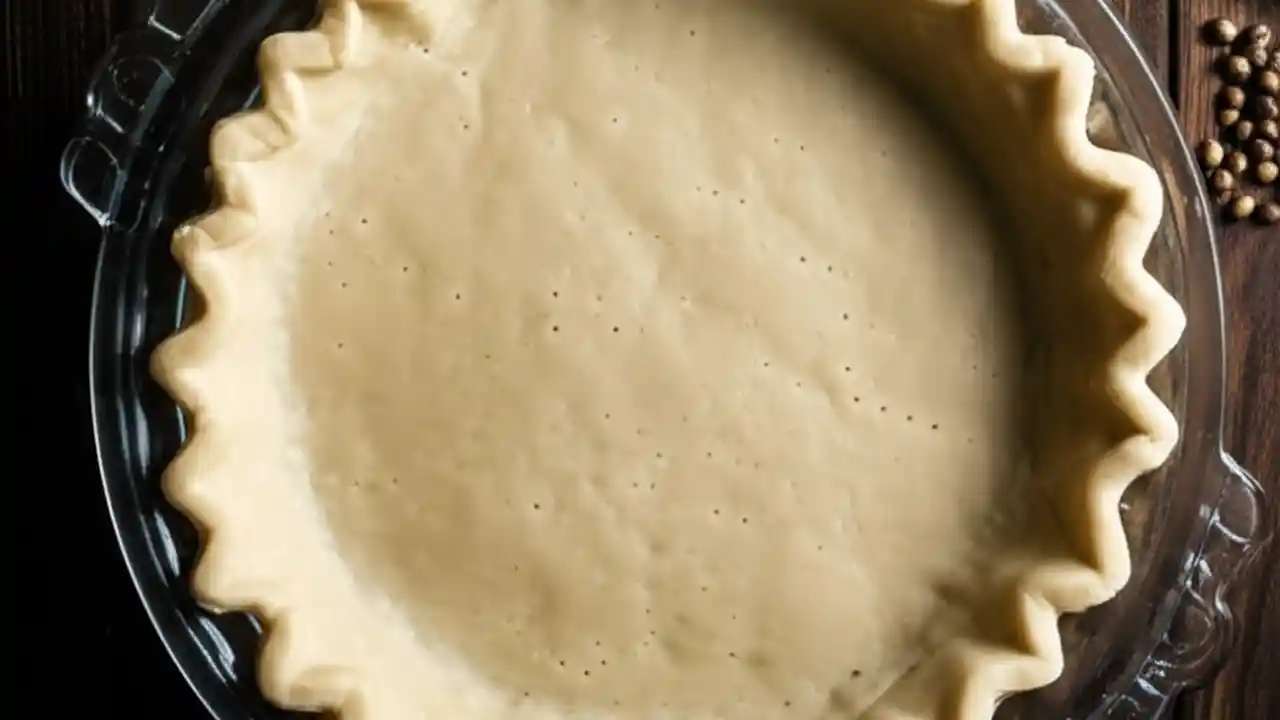
The dreaded pie crust shrinkage. It’s a baker’s nightmare, isn't it? You spend precious time crafting what you hope will be a picture-perfect, flaky foundation for your cherished pie, only for it to emerge from the oven as a sad, slumped shadow of its former self. Fluted edges retreat, and the entire crust seems to cower at the bottom of the pan. This common baking heartbreak has led many aspiring pastry chefs to throw in the towel, but we’re here to tell you that victory over shrinkage is not only possible but surprisingly simple.
For years, battling the mysterious forces that made pie crusts shrink felt like an unwinnable war. However, a deep dive into the fundamental science of pastry revealed that the solution wasn't a magic ingredient, but rather a profound respect for the dough itself. The key to a master no-shrink pie crust lies in understanding and strategically managing two primary elements: gluten development and fat temperature. And the good news? It all boils down to two critical, non-negotiable chilling periods that will forever change your pie-baking game.
This comprehensive guide will demystify the science, equip you with practical tips, and ensure that every pie crust you make is perfectly crisp, flaky, and maintains its elegant shape. You'll not only achieve stunning pies but also learn how to repurpose any delicious trimmings into delightful pie crust cookies – a true testament to a well-handled, no-shrink dough.
Understanding the Enemy: Why Pie Crusts Shrink
Before we dive into the solutions, it’s crucial to understand the "why" behind pie crust shrinkage. There are two main culprits, both directly influenced by how you handle your dough:
The Elasticity of Gluten
When flour meets water, two proteins within the flour—glutenin and gliadin—link together to form a stretchy, elastic network known as gluten. This is a marvelous property for bread, giving it structure and chew. However, in pie crusts, excessive gluten development is our adversary. Imagine this gluten network as a multitude of tiny, coiled rubber bands. When you mix and roll out your pie dough, you're inevitably stretching these microscopic rubber bands. If these stretched gluten strands don't have adequate time to relax before baking, the intense heat of the oven acts like a trigger, causing them to snap back to their original, shorter length. This forceful contraction pulls the sides of your pie crust down, leading to the dreaded shrinkage and a sad, sunken edge.
The Melting of Cold Fat
The secret to a truly flaky pie crust lies in countless paper-thin layers of dough separated by distinct layers of solid fat. In the oven, the water content within the dough rapidly turns into steam. This steam gets trapped between the solid fat layers, pushing them apart and creating those delightful pockets of air that give a flaky crust its signature texture. If your fat (be it butter, shortening, or lard) gets too warm during the mixing or rolling process, it will begin to melt and incorporate itself directly into the flour, rather than remaining in distinct pieces. When this happens, you lose those crucial fat layers. The dough becomes dense, greasy, and lacks the structural integrity to hold its shape against the forces of gravity and gluten contraction, making it far more prone to slumping and shrinking as it bakes.
Every step we take in crafting a perfect pie crust is specifically designed to combat these two issues: we will meticulously minimize gluten development and keep the fat impeccably cold and solid at all costs.
The Dynamic Duo: 2 Tips for No-Shrink Pie Crust
The single most transformative strategy for preventing pie crust shrinkage centers around two strategic chilling periods. These aren't just suggestions; they are 2 tips for no shrink pie crust that are absolutely essential for success. They address both the gluten and cold fat challenges head-on.
-
The First Chill: Relaxing the Gluten After Mixing
Immediately after you've mixed your dough and formed it into a disc (or two, if making a double-crust pie), it's crucial to wrap it tightly and place it in the refrigerator for at least 30 minutes, but ideally 1 to 2 hours. This initial chilling period serves several vital purposes:
- Gluten Relaxation: This is the primary reason. The gluten strands that have been stretched and developed during the mixing process are given a much-needed opportunity to relax and unwind. This means they won't fight back as much when you roll out the dough, reducing their tendency to snap back and shrink in the oven.
- Hydration: Chilling also allows the flour to fully hydrate with the water. This results in a more pliable, less crumbly dough that is easier to roll without developing excessive gluten.
- Solidifying Fat: Even if your butter started cold, the warmth of your hands and the friction of mixing can soften it. This first chill helps to re-solidify the fat pieces, ensuring they maintain their integrity for a flaky texture.
-
The Second Chill: Setting the Structure After Shaping
Once you've rolled out your dough, carefully transferred it to your pie dish, trimmed the edges, and shaped your flutes, it's time for the second, arguably even more critical, chill. Place the entire pie dish (with the raw crust inside) back into the refrigerator for at least 30 minutes, or ideally, the freezer for 15-20 minutes. This more intense chill, or even a brief freeze, is your ultimate defense against shrinkage:
- Firming the Fat: This extreme cold solidifies the butter to its absolute hardest state. When the very cold fat hits the hot oven, it has maximum time to create steam and push apart layers before it fully melts. This locks in the flakiness and prevents the crust from becoming dense.
- Setting the Shape: The cold temperature sets the structure of the shaped crust, including those beautiful fluted edges. It essentially "freezes" the dough in its desired form, giving it the stability to hold that shape during the initial blast of oven heat before the gluten can contract.
- Final Gluten Relaxation: Any remaining tension in the gluten from rolling is further relaxed, providing a double layer of protection against shrinkage.
These two strategic chilling periods are the bedrock of a successful, no-shrink pie crust. Neglect either one, and you risk a return to those disappointing, slumped edges.
Beyond the Chill: Mastering Your Dough for Perfect Results
While the two-step chilling process is paramount, several other techniques contribute to achieving perfect, full-sized pie crusts:
Start with Icy Cold Ingredients
This cannot be stressed enough: your butter (or chosen fat) must be very cold, ideally frozen and then cut into small cubes. Your water should be ice water. The colder your ingredients are at the outset, the more distinct your fat pieces will remain, leading to superior flakiness and less chance of the fat melting prematurely into the flour.
Handle the Dough Minimally and Gently
Overworking pie dough is a surefire way to develop excessive gluten. Whether you're mixing by hand or using a food processor, work quickly and stop as soon as the ingredients come together and the dough just begins to form. When rolling, use even pressure, rotate the dough frequently, and avoid stretching it. Let the rolling pin do the work, not your muscles.
Measure Flour Accurately
Too much flour can lead to a tough, dry dough that's difficult to roll and more prone to cracking and shrinkage. Always spoon and level your flour, rather than scooping directly from the bag, which can compact it and add extra grams.
Don't Stretch the Dough into the Pan
Once rolled, carefully transfer the dough to your pie dish. Rather than pulling or stretching it to fit, gently lift and ease it into the corners, allowing it to settle naturally. If you stretch it, it will surely shrink back.
Blind Baking with Weights
If your recipe calls for blind baking, line your chilled crust with parchment paper and fill it generously with pie weights, dried beans, or rice. The weights help to hold the crust in place and prevent the bottom from puffing up, maintaining its shape during the initial bake.
Crafting Perfect Pie Crust Cookies from Your No-Shrink Dough
One of the delightful byproducts of mastering a no-shrink pie crust is the wonderful trimmings you're left with. Instead of discarding them, turn them into delicious pie crust cookies! The very principles that give you a perfectly flaky, tender pie crust translate beautifully into a delightful cookie.
Gather your dough scraps, gently press them together (avoid overworking!), and roll them out to about 1/8-inch thickness. Use cookie cutters to create fun shapes. For a simple yet irresistible treat, brush the shapes with an egg wash (one egg whisked with a tablespoon of water or milk) and sprinkle generously with cinnamon sugar, coarse sugar, or even a pinch of flaky sea salt. Bake them on a parchment-lined baking sheet at 375°F (190°C) for 8-12 minutes, or until golden brown and crisp. These pie crust cookies are a fantastic way to utilize every bit of your perfectly prepared dough and a testament to your newfound pie crust prowess!
Conclusion
The journey to a perfect pie crust doesn't have to be fraught with anxiety. By understanding the twin forces of gluten and fat, and by diligently applying the 2 tips for no shrink pie crust – the essential two-step chilling process – you will unlock the secret to consistently beautiful, flaky, and full-sized foundations for all your sweet and savory pies. Embrace the science, respect your dough, and bid farewell to the heartbreak of shrinkage. Your pies, and any delightful pie crust cookies you make, will thank you for it!
