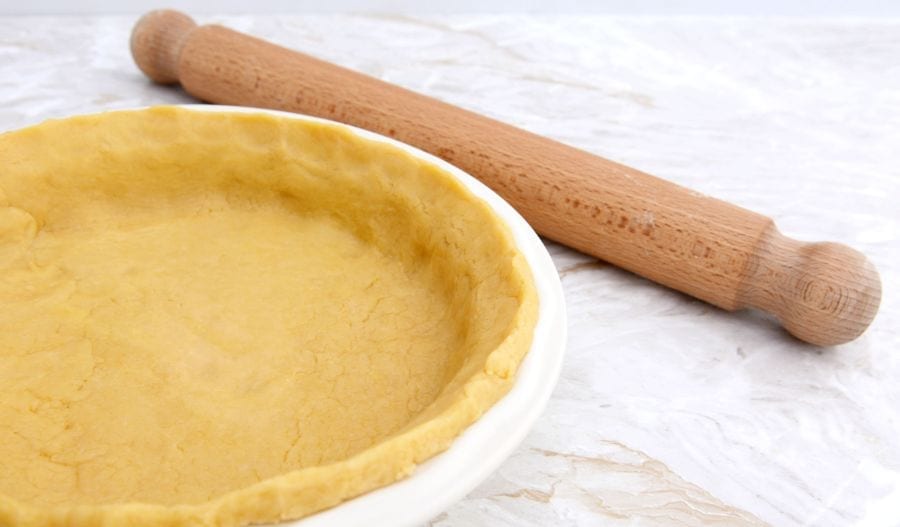
Master No-Shrink Pie Crust: The 2-Step Chilling Secret
There are few culinary disappointments quite as deflating as pulling a pie from the oven, only to find its once proud, fluted edges have surrendered to the heat, slumping into a sad, shrunken ring at the bottom of the pan. It's a common baker's heartache, one that can undermine even the most delicious filling. For years, many home bakers have battled this dreaded pie crust shrinkage, experimenting with various flours, fats, and techniques. But what if we told you the secret wasn't a magic ingredient, but a deeper understanding of dough dynamics, specifically mastered through two strategic, non-negotiable chilling periods?
That's right: the ultimate solution to achieving a consistently crisp, flaky, and perfectly-sized pie crust lies in a simple, yet powerful, 2-step chilling secret. This guide will walk you through these essential techniques, demystifying the process and explaining the "why" behind each action. We'll ensure that you not only create flawless pies but also discover how to utilize every last scrap of dough for delightful no-shrink pie crust cookies, ensuring no dough goes to waste!
Understanding the Enemy: Why Pie Crust Shrinks
Before we dive into our game-changing techniques, it’s crucial to understand the fundamental culprits behind shrinkage: gluten development and melting fat. Think of them as the two main adversaries we're trying to outsmart with our 2 tips for no shrink pie crust approach.
The Gluten Effect: Tiny Rubber Bands at Work
When you combine flour with water, two proteins – glutenin and gliadin – link together to form an elastic network known as gluten. In bread making, this gluten network is highly desirable, providing the chewy structure. However, in pie crusts, excessive gluten development is our nemesis. Imagine this gluten network as thousands of tiny, coiled rubber bands. When you roll out your pie dough, you're inevitably stretching these rubber bands. If they don't get sufficient time to relax, the intense heat of the oven will cause them to snap back to their original, smaller size, pulling the edges of your crust down with them. This rapid contraction is the primary cause of those heartbreakingly shrunken crusts.
The Fat Factor: The Secret to Flaky Layers
The second major contributor to shrinkage, and equally important for flakiness, is the condition of your fat. A truly flaky pie crust is composed of countless paper-thin layers of dough separated by layers of solid fat, typically butter. As the pie bakes, the water content in the dough (and within the butter) turns into steam, which then pushes these delicate layers apart, creating those coveted airy pockets that define flakiness. If your butter (or other solid fat) gets too warm and melts into the flour *before* baking, you lose these critical layers. The dough becomes dense, greasy, and far more prone to slumping and shrinking as it bakes. Every step in our no-shrink method is meticulously designed to combat these two issues: we will strategically minimize gluten development and vigilantly keep the fat cold and solid.
The 2-Step Chilling Secret: Your Master Key to No-Shrink Success
This is where the magic happens – the core of our 2 tips for no shrink pie crust. Mastering these two distinct chilling periods will transform your pie-making experience, guaranteeing a perfectly stable and beautifully fluted crust every single time.
Step 1: The Initial Dough Rest – Relaxing the Gluten
After you've mixed your dough and brought it together, resisting the urge to roll it out immediately is paramount. This first chilling period is all about allowing the gluten strands, which have just been stretched and agitated during mixing and initial handling, to fully relax. Think of it as a much-needed spa day for your dough.
- Why it's crucial: This chill gives the gluten ample time to de-stress and loosen its grip. A relaxed dough will be far more cooperative when you roll it out, less likely to resist and snap back, which directly prevents shrinkage later on. It also firms up the butter slightly, making for easier handling.
- How long: Wrap your dough tightly in plastic wrap (to prevent drying) and refrigerate for at least 30 minutes, but ideally 1 to 2 hours. Some bakers even prefer an overnight chill for optimal relaxation.
- Benefits: Besides preventing shrinkage, this rest makes the dough less sticky and much easier to roll out smoothly, reducing the temptation to add extra flour (which can lead to a tough crust).
Step 2: The Final Form Chill – Setting the Structure and Solidifying the Fat
This is arguably the most critical step and one that many bakers skip, much to their detriment. Once your dough is rolled out, carefully transferred into your pie dish, and its edges are fluted or crimped to perfection, it needs another, often more intense, chilling period. This sets the final structure before it ever sees the oven's heat.
- Why it's crucial: Even after the initial rest, the act of rolling and shaping the dough can re-stretch some gluten strands. This second chill provides a final opportunity for those newly stressed gluten proteins to relax. More importantly, it thoroughly solidifies the butter *after* the dough is in its final form. This ensures the fat is rock-hard when it hits the oven, maximizing the steam production for flakiness and creating a stable, rigid structure that is far less prone to slumping.
- How long: Place the pie dish with the shaped crust into the refrigerator for at least 30 minutes, or for an even more effective approach, pop it into the freezer for 15-20 minutes. The freezer rapidly chills the entire structure, making it incredibly resilient.
- Benefits: This step locks in your carefully crafted shape and fluted edges, ensuring they hold their form throughout the baking process. It's the ultimate safeguard against dreaded shrinkage and contributes significantly to a truly flaky crust.
Beyond Chilling: Elevating Your No-Shrink Game
While the two-step chilling process is your primary weapon against shrinkage, a few other techniques can further bolster your efforts and ensure perfect results every time:
- Start with Cold Ingredients: Always use very cold butter, cut into small cubes, and ice water. The colder your fat, the less likely it is to melt into the flour prematurely, preserving those precious layers.
- Gentle Handling: Avoid overworking your dough. The more you handle it, the more you develop gluten. Mix just until the ingredients come together and try to roll it out with confidence, not excessive force.
- Leave a Little Overhang: When trimming your crust, leave about a 1/2-inch overhang beyond the edge of the pie plate. This extra dough provides a buffer against any minor shrinkage and gives you more material to work with for beautiful crimping. After crimping, press the edges firmly into the rim of the pie plate.
- Blind Baking (if applicable): If your recipe calls for blind baking (pre-baking the crust before adding filling), prick the bottom generously with a fork, line it with parchment paper, and fill with pie weights or dried beans. This helps to anchor the crust and prevent the bottom from puffing up.
Unlock Versatility: Beyond Pies to Perfect Pie Crust Cookies
What about the other part of our main keyword, pie crust cookies? The beauty of mastering a no-shrink pie crust recipe is that its principles apply universally to any dough you make, including delicious scraps! Don't let those leftover bits of dough go to waste.
The same 2 tips for no shrink pie crust apply here: if you're re-rolling pie dough scraps, always gather them gently, form them into a disk, and give them a quick chill (at least 15-20 minutes in the fridge) before rolling them out again. This allows any newly developed gluten to relax and keeps the butter cold. Then, roll them out, cut them into fun shapes (stars, hearts, circles), sprinkle with cinnamon sugar, a little coarse salt, or a brush of egg wash before baking. Bake until golden brown (usually 10-15 minutes at 375°F/190°C). These delightful little treats are perfect for sampling your perfect crust, or for a quick snack that showcases your newfound no-shrink prowess.
Conclusion
Say goodbye to the heartbreak of shrunken pie crusts forever! By understanding the delicate balance between gluten development and cold fat, and by rigorously applying our 2-step chilling secret, you'll be able to create perfectly crisp, flaky, and full-sized foundations for any pie, every single time. From Thanksgiving pumpkin pies to elegant fruit tarts, your crusts will now hold their shape, allowing your fillings to truly shine. And remember, those invaluable skills also extend to crafting delightful no-shrink pie crust cookies from any leftover dough, ensuring not a single crumb goes unappreciated. Embrace the chill, master the technique, and elevate your baking to a whole new level of perfection!
